
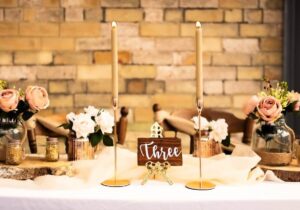

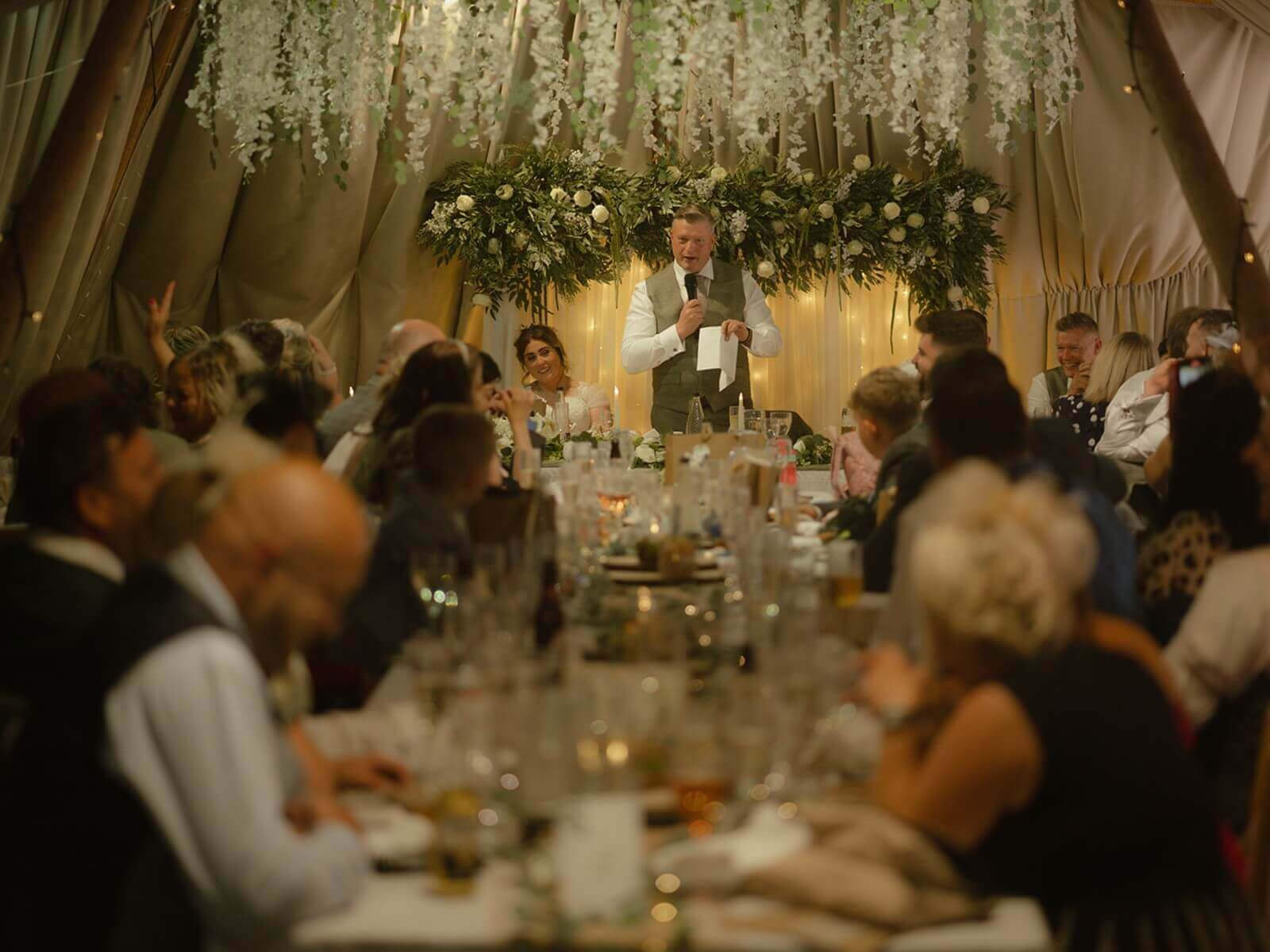
Before choosing individual decorations, establish the purpose of the stage decor you want to create. It may provide a background for a ceremony, frame the couple during the wedding breakfast or create a setting for speeches and photographs. Some stages need to serve several of these purposes during the same celebration.
Measure the available width, height and depth rather than considering only the wall behind the stage. Allow enough space for chairs, tables and people to move safely without the decorative structure feeling crowded. The dimensions should also account for any venue fixtures, low ceilings, doors, curtains or emergency routes that must remain accessible.
Viewing angles are equally important. A design that appears balanced from directly in front may obscure a speaker or floral detail when viewed from tables positioned at the side. Consider where guests, photographers and videographers will be standing before fixing the position of the principal feature.
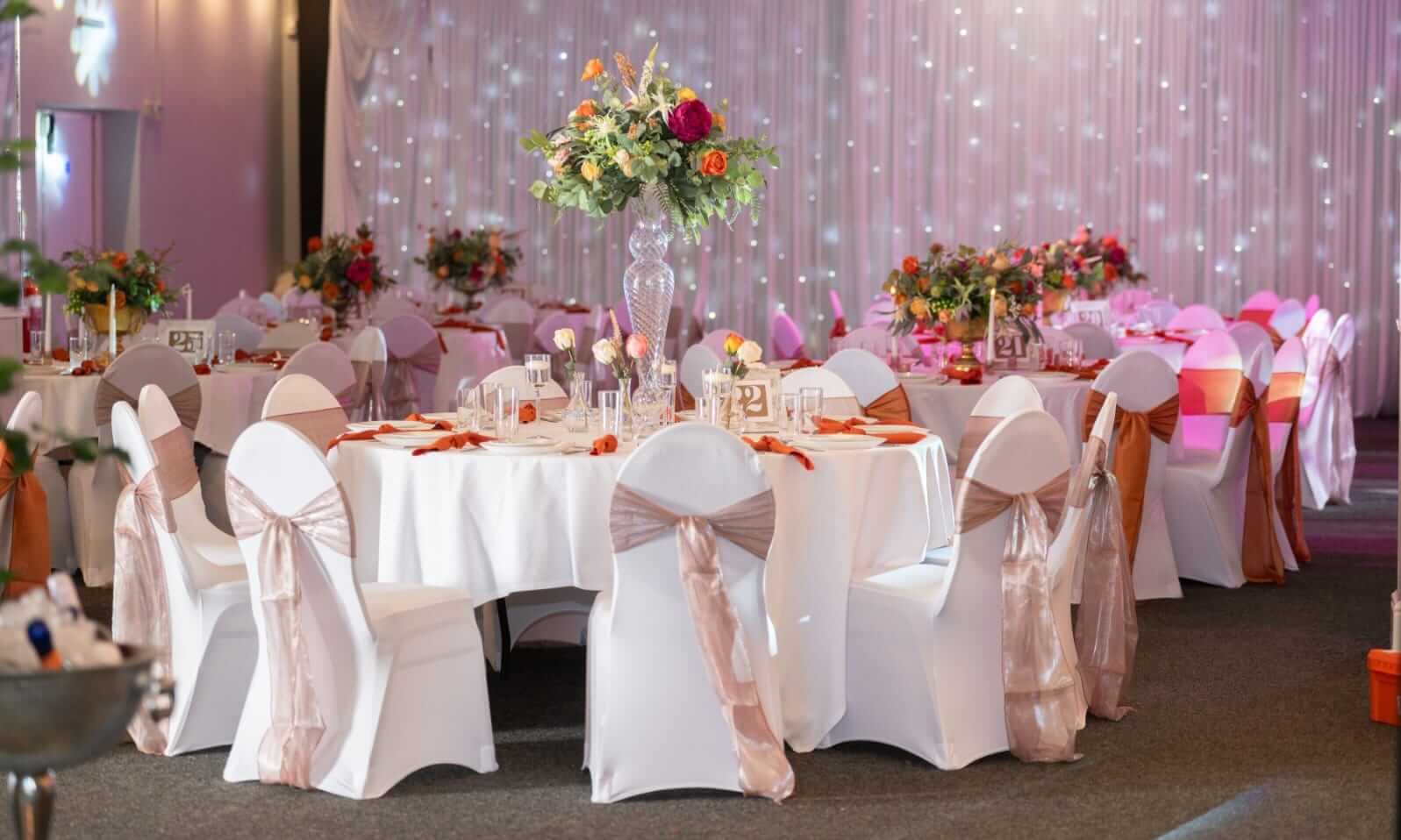
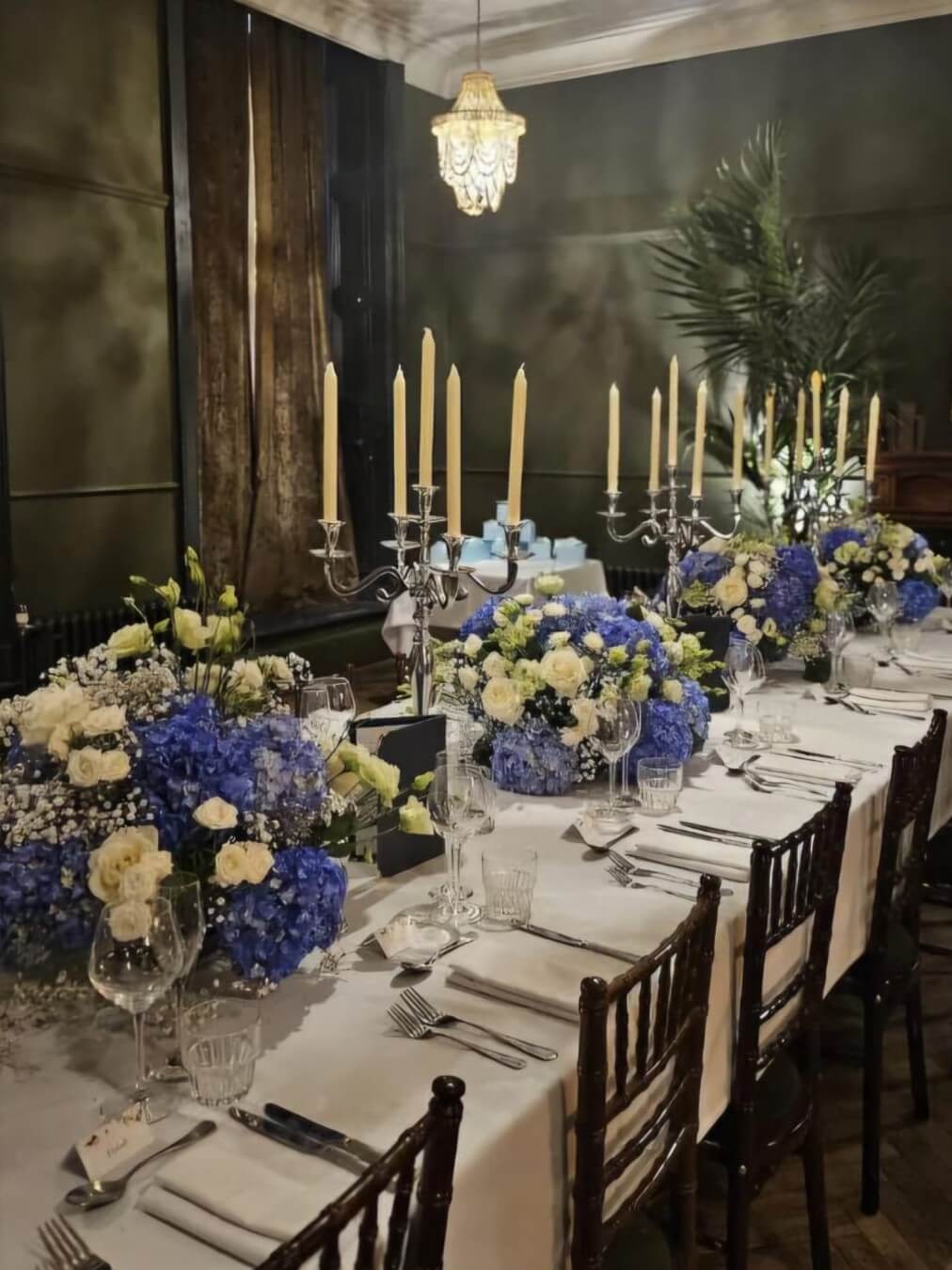
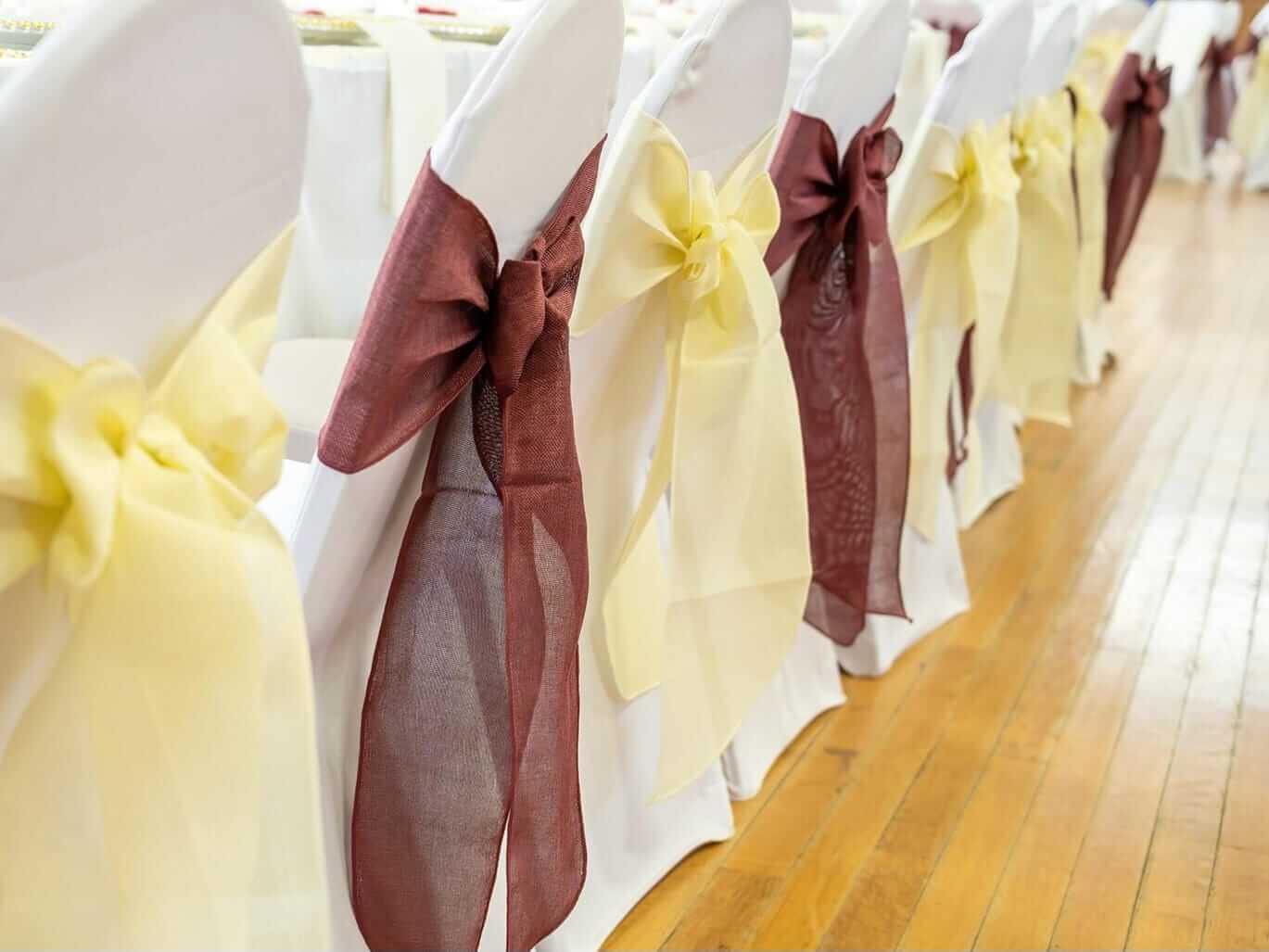
Your selected colours should connect the stage with the wider venue without requiring every element to match exactly. Repeating one or two tones through the flowers, fabric, signs, or table details can create visual continuity while keeping the stage as the strongest focal point.
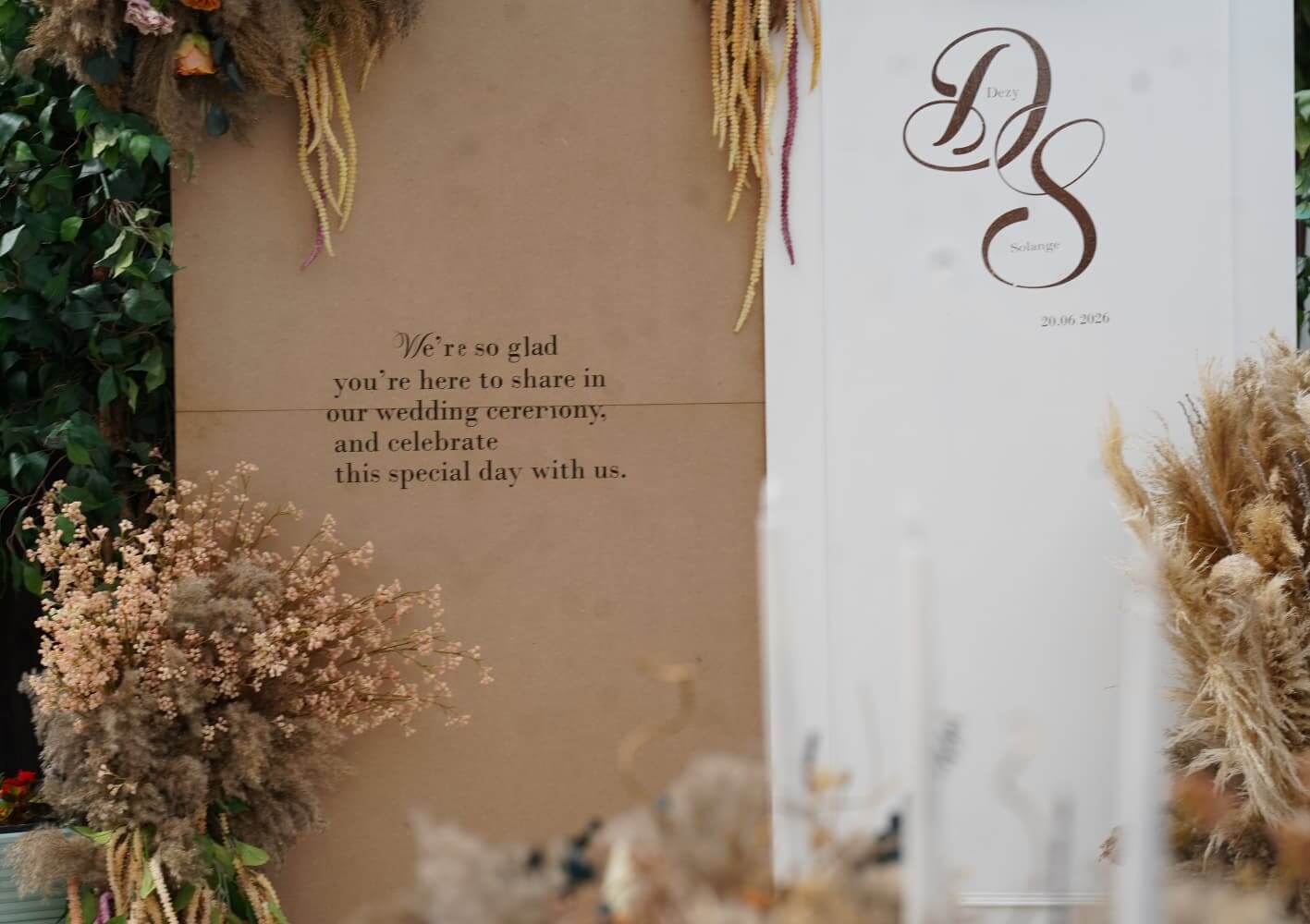
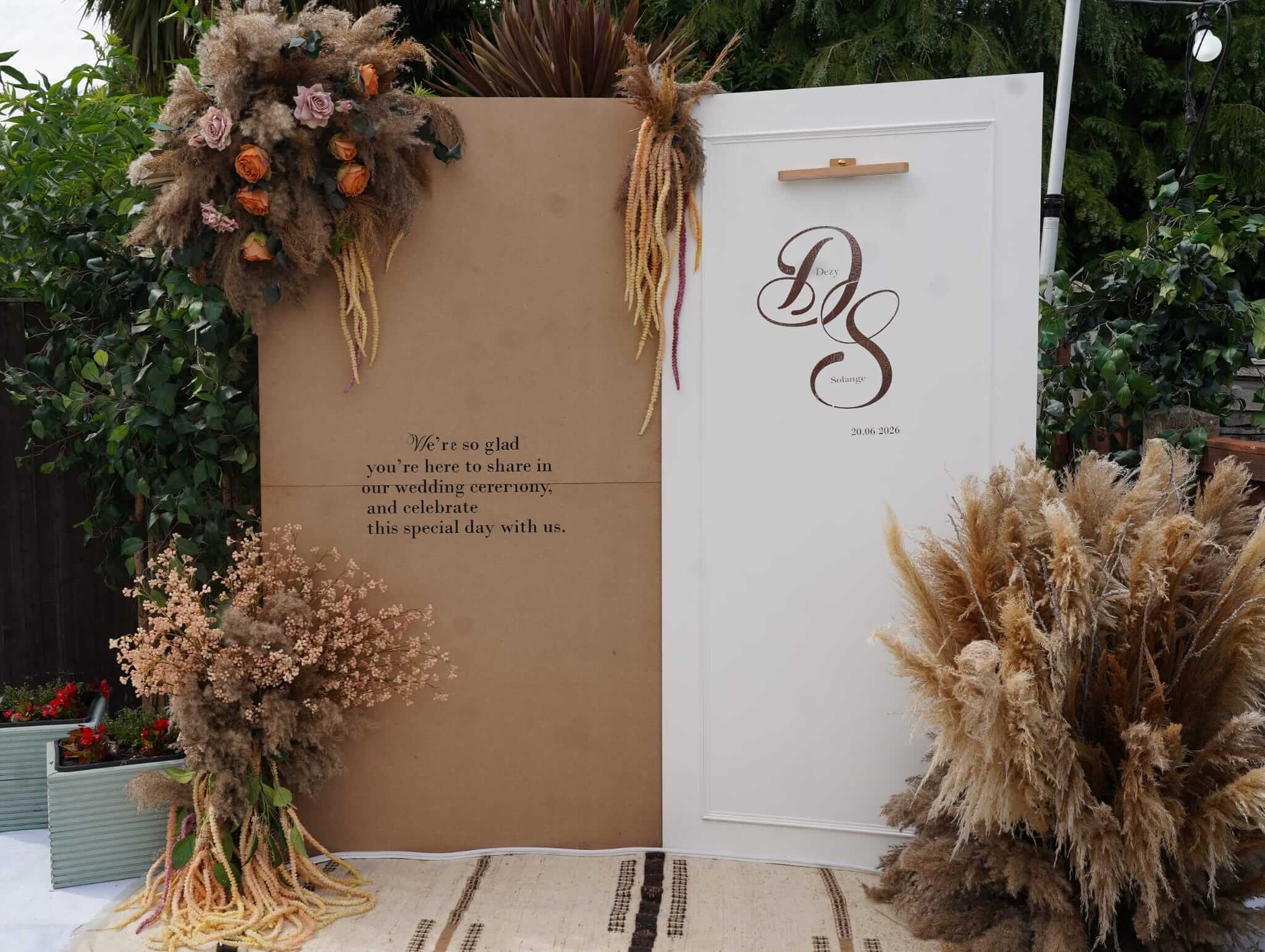
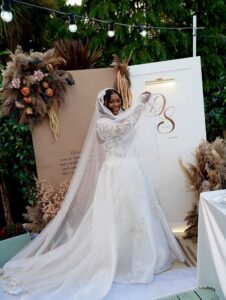 Personalised panels, pampas grass and flowers arranged as a wedding focal area.
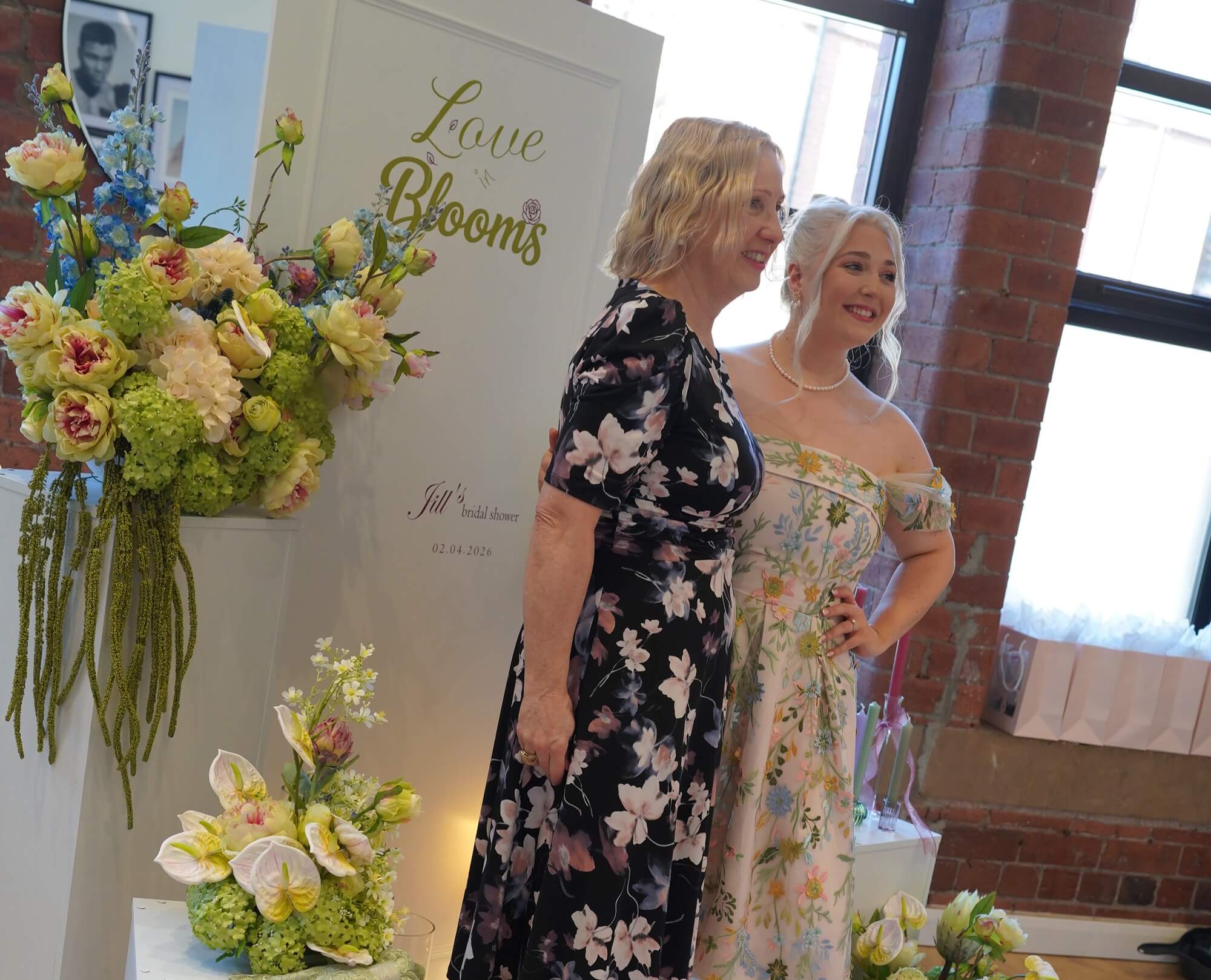
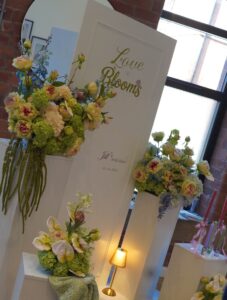 Layered panels and plinths decorated with coordinated pastel flowers.
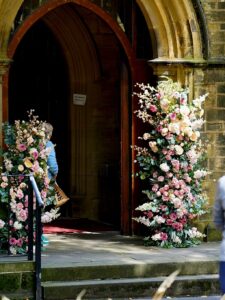 Tall floral arrangements creating a balanced frame around an entrance.
An arch creates an open-centre frame around the people or furniture placed beneath it. This can preserve the venue wall as part of the scene and provide a clear outline without forming a complete background. Different shapes and materials can produce very different effects, so browse our wedding arches for hire when comparing structures for stage displays.
A connected floral wedding arch provides a continuous arrangement across the sides and upper section. It can frame a couple, seating arrangement or central display while leaving the middle open. A simpler frame may instead be dressed more selectively with fabric, flowers or greenery.
Backdrops provide greater visual coverage and can help conceal an unsuitable wall or create a more self-contained display. Our wedding backdrops include draped designs, foliage walls, shimmer walls and other structures suited to different occasions.
The choice between an arch and a backdrop should be based on the required coverage rather than the terms alone. An arch is generally suitable when you want a clear view through the centre. A fuller backdrop is useful when you need fabric, foliage or a reflective surface to form most of the background.
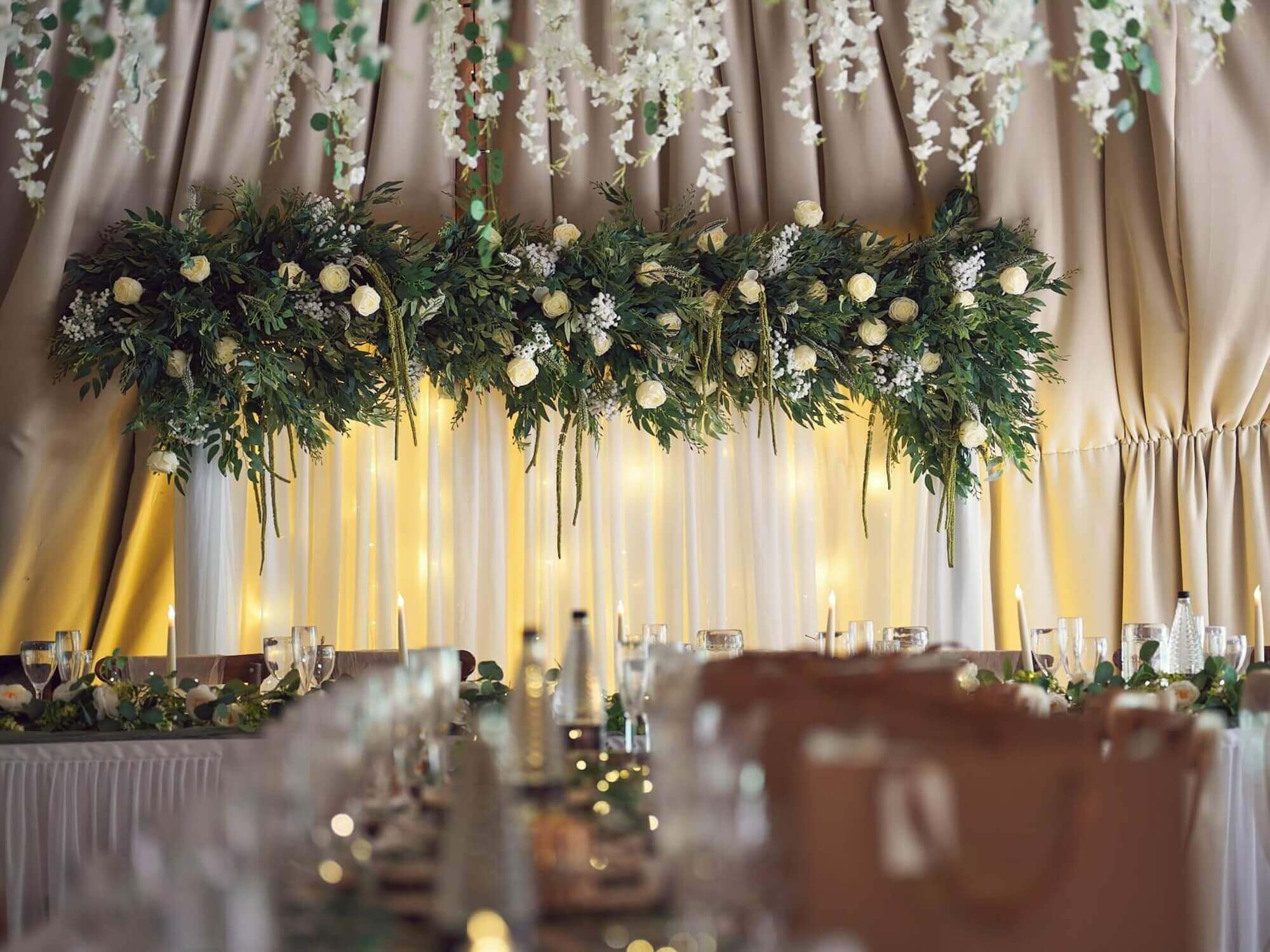
Flowers and fabric help connect a structure with the selected colour scheme. Fabric can soften a straight framework, introduce movement or provide greater coverage, while floral arrangements can define the corners, upper edge or sides of the display.
Coverage does not always need to be symmetrical. A concentrated floral arrangement on one side can balance fabric gathered in the opposite direction. Alternatively, flowers can be distributed across the structure for a more formal and evenly composed appearance.
Plinths can extend the design beyond the main structure and create different heights at floor level. They may support floral arrangements, suitable signs or other decorative features while filling space that would otherwise appear empty. Our display plinths for hire include metal, acrylic and solid-column styles in different heights and finishes.
The plinth arrangement should remain proportionate to the backdrop. One raised element may be sufficient beside a smaller feature, while a broader stage can accommodate graduated heights on one or both sides. Always check the dimensions and stability requirements of anything placed on a plinth.
When combining flowers, fabric and plinths, decide which element should attract attention first. Too many competing features can make a stage look fragmented. A clear central focus supported by simpler details usually creates a more balanced stage design.
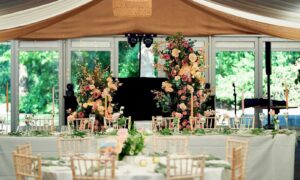
Lighting influences how the colours, fabric and flowers appear both in the room and in photographs. Existing venue lighting may be sufficient during the day but produce uneven shadows or leave the main display poorly defined after dark.
Before adding decorative or functional lights, establish what the venue already provides. Check the position of sockets, the available electrical capacity and whether the venue has restrictions on cables or equipment. Lighting should support the stage rather than distract from speakers, guests or photographs.
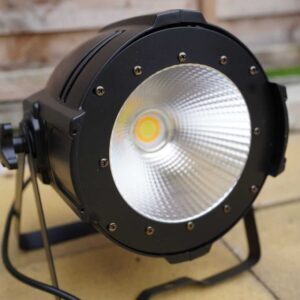
A light positioned at floor level can direct attention towards a backdrop, floral feature or selected part of the stage. Depending on the equipment and placement, it can provide a focused beam or a broader spread across the display.
Our floor lights for stage features can be considered where a decorative area needs greater visibility. Their position should be planned carefully so that guests do not look directly into a strong light and people using the stage do not cast unwanted shadows across the main background.
Test the effect after the furniture and decorations have been positioned. Fabric, reflective surfaces and pale flowers respond differently to light, so the final angle and brightness should be assessed within the completed setting.
Some venue layouts place the stage away from convenient electrical sockets. Long cables crossing entrances, walkways or photography areas can affect both the appearance and safety of the setup.
A portable power station may provide a practical option for compatible lights or illuminated signs where fixed power access is limited. The equipment requirements and total electrical load must be checked before deciding whether a portable unit is suitable.
Power arrangements should be agreed with the venue in advance. Cables, connections and equipment must be positioned securely and kept away from guest routes, liquids and areas where furniture may be moved during the celebration.
The principles of proportion, visibility and safe installation apply to every event, but the purpose and character of the stage will influence the final design.
Nikkah and mehndi stage decor ideas often include a clearly defined area for the couple, ceremonial moments and family photographs. The layout may need to accommodate seating, a table or several people at once, so sufficient floor space is essential.
A four-post canopy backdrop can create a defined setting while leaving the area beneath the structure available for seating or ceremonial furniture. Draping and floral colours can be selected to suit a soft neutral nikkah design or a more colourful mehndi celebration.
The stage should remain accessible from the front and sides where family members will join the couple. Decorations placed near the entrance to the stage should guide the eye towards the centre without narrowing the route unnecessarily.
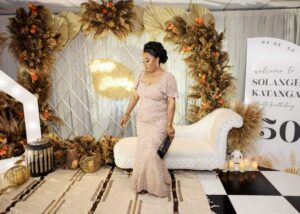
Birthday stages often combine a decorative background with a clear celebratory message. The backdrop may be used for cake photographs, speeches, guest portraits or the presentation of gifts, so the central area should remain uncluttered.
A Happy Birthday sign can introduce the occasion directly without requiring additional wording throughout the display. It may be positioned against a suitable background or incorporated into a wider arrangement, depending on its installation requirements and the available space.
Colour, age details and party themes can then be introduced through flowers, balloons, plinth displays or selected accessories. The sign should remain readable from the principal viewing position and should not be hidden by furniture or taller decorations.

Corporate stage design normally benefits from a controlled arrangement that keeps speakers, awards or presentations as the main focus. Decorative features can still introduce the event colours, but they should not interfere with screens, microphones, lecterns or branded materials.
Plinths may provide raised positions for awards, flowers or selected presentation items. Appropriate event signs can identify the occasion or direct attention towards an important part of the display.
Consider how the stage will appear in wide photographs and in close-up images of individual speakers. A balanced background can provide a professional setting without adding unnecessary visual detail behind the people being photographed.
Accurate measurements are essential when developing stage decoration ideas. Confirm the usable stage dimensions, ceiling height and available access before selecting large frames or backdrop structures. Door widths, staircases, lifts and loading arrangements may determine whether equipment can reach the proposed position.
The venue should also confirm what can be attached to walls, ceilings or existing staging. Freestanding structures still require suitable floor conditions and adequate clearance around their supports. Outdoor installations depend on appropriate weather, ground conditions and safe positioning.
Professional installation is advisable where a design involves large structures, extensive fabric, electrical equipment or arrangements positioned above head height. Delivery, installation, and collection requirements vary between products, so discuss these before the design is finalised.
It is also helpful to provide photographs of the proposed area when enquiring. Images taken from the front and sides can reveal venue features that may not appear on a floor plan and allow the design to be assessed more accurately.


Successful stage decor ideas are based on purpose and proportion rather than the number of decorations used. Begin with the principal arch or backdrop, allow enough room for the people and furniture using the space, and then introduce supporting details where they improve the composition.
Flowers and fabric can establish the colours and texture. Plinths can create height around the base, while carefully positioned lights improve visibility. Signs can communicate the occasion, and suitable power arrangements help the completed installation function safely within the venue. You can also view our Dream Hire & Deco profile on Hitched for further information about our wedding styling business.
Share your event date, venue details, stage dimensions, access information and preferred colours with Dream Hire & Deco. We can then discuss suitable structures and decorative elements for a coordinated stage design across Yorkshire and beyond.